

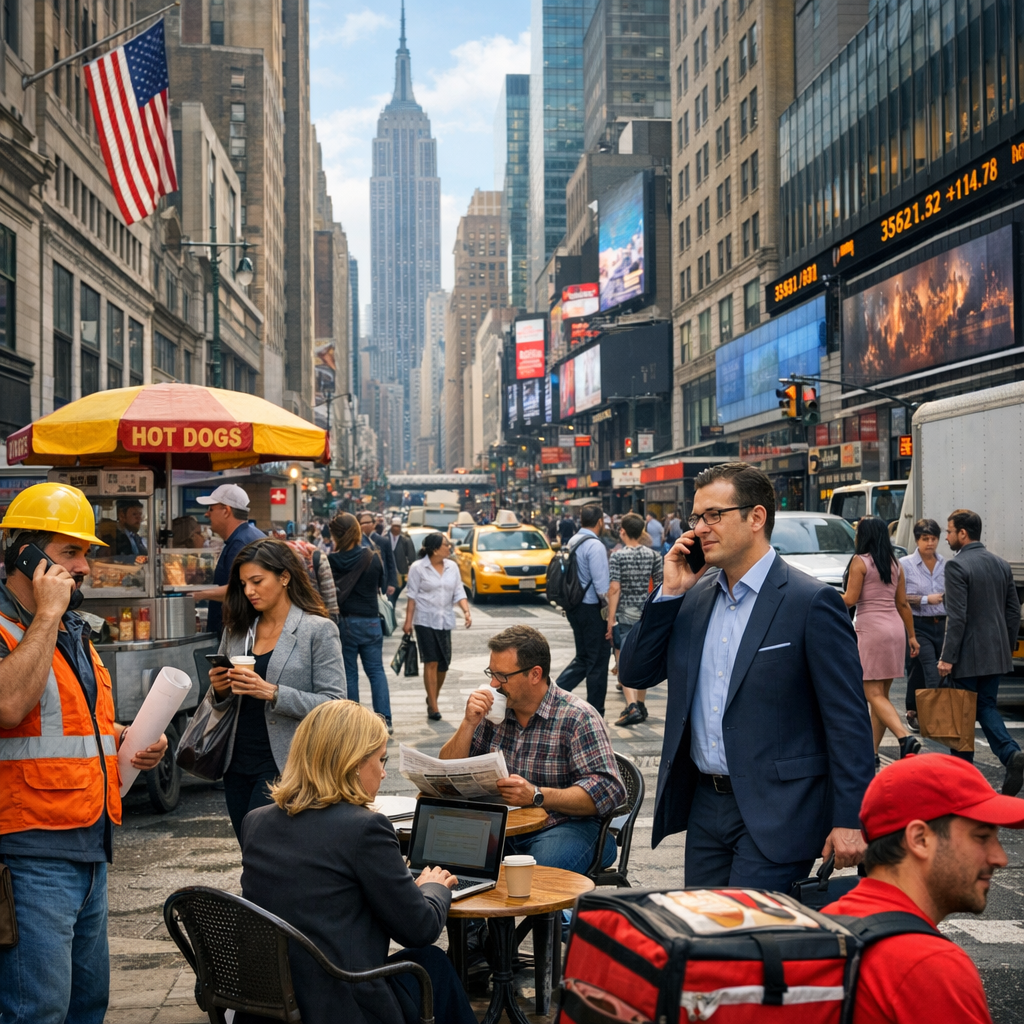
The U.S. economy has demonstrated resilience and adaptability in recent times, navigating through various challenges and emerging with moderate growth. Understanding the current economic landscape is crucial for both individuals and businesses as they plan for the future.
Economic Growth and Performance
In the first quarter of 2026, the U.S. economy expanded at an annualized rate of 2%, marking a rebound from the previous quarter’s 0.5% growth. This improvement was largely attributed to the recovery from a federal government shutdown and sustained investments in artificial intelligence (AI) technologies. The AI sector, in particular, has shown enduring strength, contributing significantly to economic performance.
Consumer Spending and Inflation
Consumer spending, a primary driver of economic growth, experienced a slowdown, increasing by 1.6% in the first quarter. This deceleration reflects financial pressures on middle and moderate-income households. Concurrently, inflation surged in March, influenced by an energy shock stemming from geopolitical tensions, notably the conflict in Iran. This situation has raised concerns among Federal Reserve officials regarding the nation’s inflation trajectory.
Business Investment and Employment
Business investment saw a robust increase of 8.7%, driven predominantly by growth in AI-related sectors. However, residential investment declined for the fifth consecutive quarter, dropping by 8%. Employment figures have shown variability, with the unemployment rate hovering around 4.3% in recent months.
Political Landscape and Economic Implications
The U.S. political environment continues to evolve, with the Democratic and Republican parties remaining the two dominant forces. Between elections, these parties often function as loose alliances of state and local organizations. Political decisions, such as federal spending policies and trade agreements, have direct implications for economic performance, influencing factors like consumer confidence and business investment.
Looking Ahead
While the U.S. economy has shown resilience, challenges remain. Geopolitical tensions, particularly in the Middle East, continue to impact energy prices and inflation. Additionally, shifts in consumer behavior and technological advancements will play pivotal roles in shaping future economic trends. Staying informed and adaptable will be key for individuals and businesses aiming to navigate the evolving economic landscape successfully.