

As inflation rates climb, many Americans are grappling with the financial strain of increased living costs. The Consumer Price Index indicates a 3.8% rise in April, with projections suggesting it may reach 4.2% in May. This surge is largely driven by elevated energy prices and ongoing geopolitical tensions.
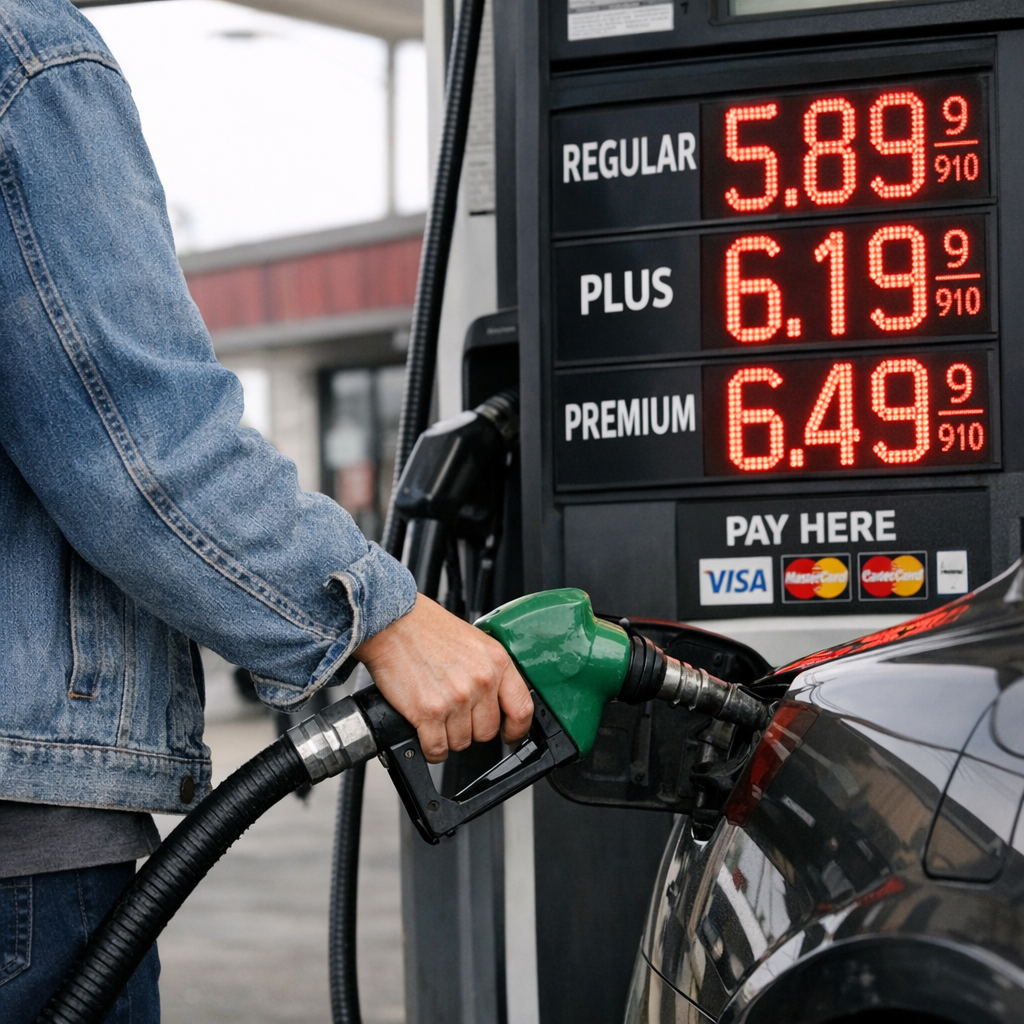
Gasoline prices have notably increased, averaging over $4.50 per gallon nationally, with some regions experiencing prices above $5. This escalation has led to a 5.4% rise in gas prices in April alone, contributing to a 28% year-over-year increase. Consequently, wage growth of 3.6% has been effectively nullified by these rising costs, diminishing purchasing power for many households.
Beyond energy, other sectors are also affected. Food prices have risen by 0.5% in the past month and over 3% annually, while housing costs have increased by 3.3%. Additionally, airline ticket prices climbed 2.8% in April due to higher fuel costs.
In response to these economic challenges, the administration has proposed measures such as suspending the federal gas tax to provide relief. However, these proposals face hurdles in Congress, and their potential impact remains uncertain.
As the nation navigates these economic uncertainties, it’s crucial for individuals to stay informed and consider strategies to manage their financial well-being during this period of rising inflation.