
By Aiden Nguyen
Across the country, many Americans are watching three major pressures unfold: economic dissatisfaction, concerns about how elections are run, and mixed views of political leadership. These aren’t isolated problems—together, they’re shaping how people feel today and where the nation could be headed.
Economic Frustration Is Front and Center
Polling shows that the majority of Americans think economic conditions are “only fair” or “poor.” Far fewer see things as “good” or “excellent”—and that’s true even among those who tend to lean Republican. Many want policy changes now rather than promises of improvements later. Key concerns include rising prices for healthcare, food, housing, and gasoline.
This growing frustration is having political consequences. As the midterm elections approach, issues of affordability are dominating the conversation. Voters are not just asking what political parties will do, but whether they can deliver change in areas like healthcare costs and day-to-day expenses.
Election Trust and Integrity Are Under Strain
Ahead of the next midterms, many Americans express worry that political leaders may improperly influence elections, that voting systems may not be secure, or that ballots won’t be handled fairly. High percentages indicate concern about leaders pressuring local election officials, about unfair district maps (gerrymandering), and about whether the process will be transparent.
Recent actions by the White House—like dismissing members of federal election assistance bodies and urging states to adopt certain election practices—have added to fears that election administration itself is becoming more politicized. Some legal and structural changes underway are raising questions about how independent these systems are.
Leadership, Messaging, and What Comes Next
Many Americans seem unsure whether leaders are in touch with the problems people are facing. Efforts to frame policy debates—whether on inflation, national security, globalization, or technology—often clash with the day-to-day concerns of voters whose budget stretch further each month.
Looking ahead, some of the bigger stories to watch include how political parties respond to economic pressure, whether election laws and oversight structure change in more states, and how trust in institutions holds up during contentious legal battles about election rules. The outcomes of these debates may affect not just who wins the next election, but how democracy works at local levels across the U.S.
What This Means for Local Communities
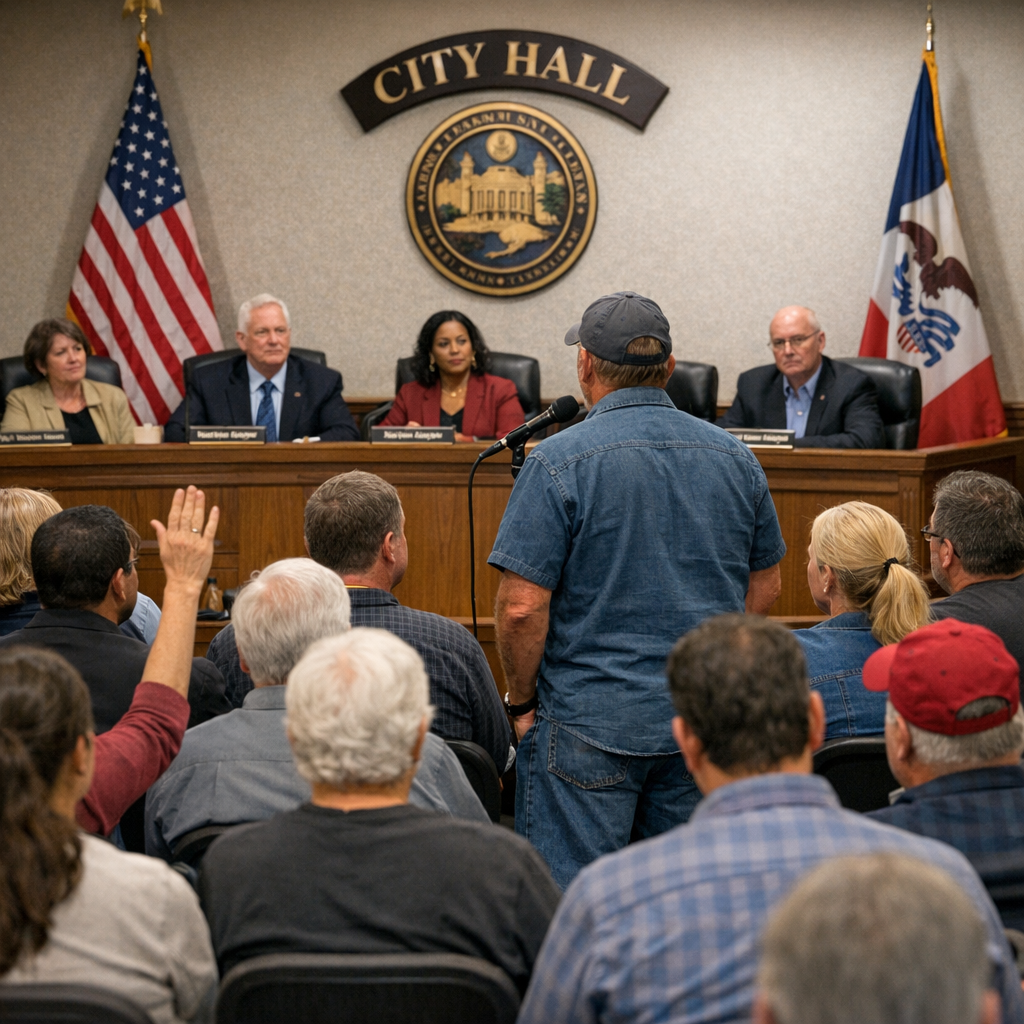
Even in places like Burbank, national concerns ripple at the street level. Higher costs for gas and groceries affect income inequality and housing pressures. How state and local election officials react to federal guidance or pressure can change how easy it is to vote, how ballots are managed, and how trusted election results will be.
At the end of the day, what voters want most is clarity: clearer economic relief, rules they believe are fair, and leaders who seem accountable. Whatever your political views, many of these issues are likely to touch your life soon.